This just in!
Yodelling is now Inscribed in the 2025 UNESCO Representative List of the Intangible Cultural Heritage of Humanity
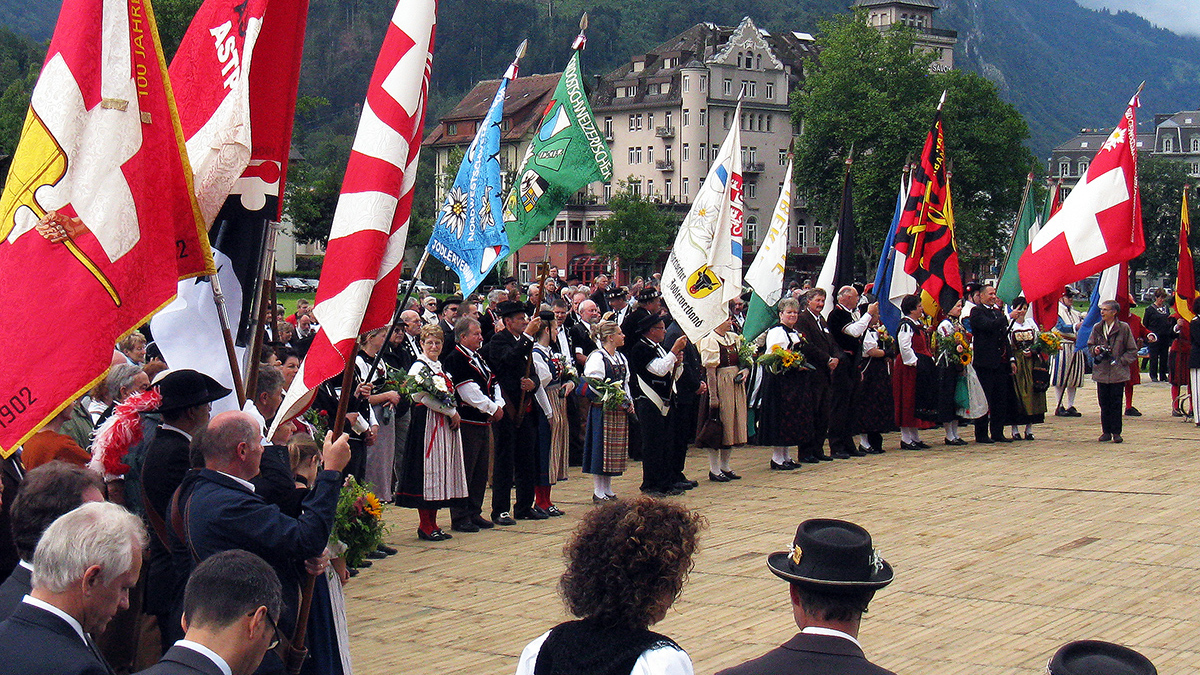
Yodelling is a vocal technique involving the use of different vocal registers, such as chest and head voices, to create melodies with meaningless syllables instead of words. The syllables chosen are often determined by the local dialect. There are two types of yodelling: natural and sung. Natural yodelling consists of wordless melodies that vary by region and dialect and are passed down orally. Sung yodelling includes verses with a yodel chorus, often centred on themes like nature and daily life. Yodelling can be performed by individuals, small groups or choirs, and sometimes with instruments like the accordion. It features rich harmonics and is often performed at concerts, parties and competitions, with participants typically wearing traditional regional costumes.
The practice, associated with agricultural events such as harvest festivals and alpine traditions, is performed by people of all ages, genders and backgrounds. Yodelling knowledge and skills are passed down orally, through sheet music, and via choirs and online platforms. Yodelling is also taught in group or individual lessons by private teachers and music schools. It promotes cultural participation, emotional expression and well-being, uniting communities and providing a shared sense of identity.
_________________________
This is a short overview of the history, development, and cultural significance of Swiss yodelling, focusing on its evolution from traditional practices to modern forms.
Key points include:
1. Definition of Yodeling:
Yodelling involves alternating between chest and head voice (Passaggio), using specific vocalization, characterized by large, legato intervals. It is rooted in Swiss alpine traditions and has a unique sound referred to as the "magical tone."
2. Historical Origins:
The term "yodel" emerged in the late 18th century, though the practice predates it. Early mentions include shepherd calls and celebratory cries, such as "Jauchzer," which express joy and serve as signals.
3. Types of Yodeling:
o Lockrufe: Herding calls used by alpine herders to summon livestock.
o Natur-Yodel: Traditional, textless yodels, often solo or chorally accompanied, still practiced in regions like Muotatal and Appenzellerland.
o Instrumental Accompaniment: Naturjodels are sometimes accompanied by instruments like Schellen (bells) or Talerschwingen (coin spinning in ceramic bowls).
4. Development of Yodel Songs:
o 19th Century: Early yodel songs combined folk melodies with yodel refrains, evolving into more structured compositions.
o 20th Century: Composers like Adolf Stähli and Oskar Friedrich Schmalz introduced new forms, including choral arrangements and spiritual yodel songs.
5. Modern Yodeling:
o Innovations include yodel duets, terzets, and accordion accompaniment.
o Spiritual yodel songs, such as Jodlermessen (yodel masses), have become part of church music since 1971.
o Despite attempts to modernize themes and harmonies, traditional styles remain dominant.
6. Cultural Impact: Yodeling reflects Swiss heritage, celebrating nature, alpine life, and community. It has evolved from solo performances to club-based choral singing, with notable contributions from composers like Robert Fellmann and Jost Marty.
7. Challenges: The stagnation in innovation and difficulty in attracting younger generations pose challenges to the future of yodeling.
We highlight yodeling's transformation from a practical alpine tradition to a cherished cultural art form, deeply embedded in Swiss identity.
Summary derived from the document “Jodelarten der Schweiz, Jodeln was ist das eigentlich? by: Brigitte Bachmann-Geiser, Prof. Dr. phil., Bern